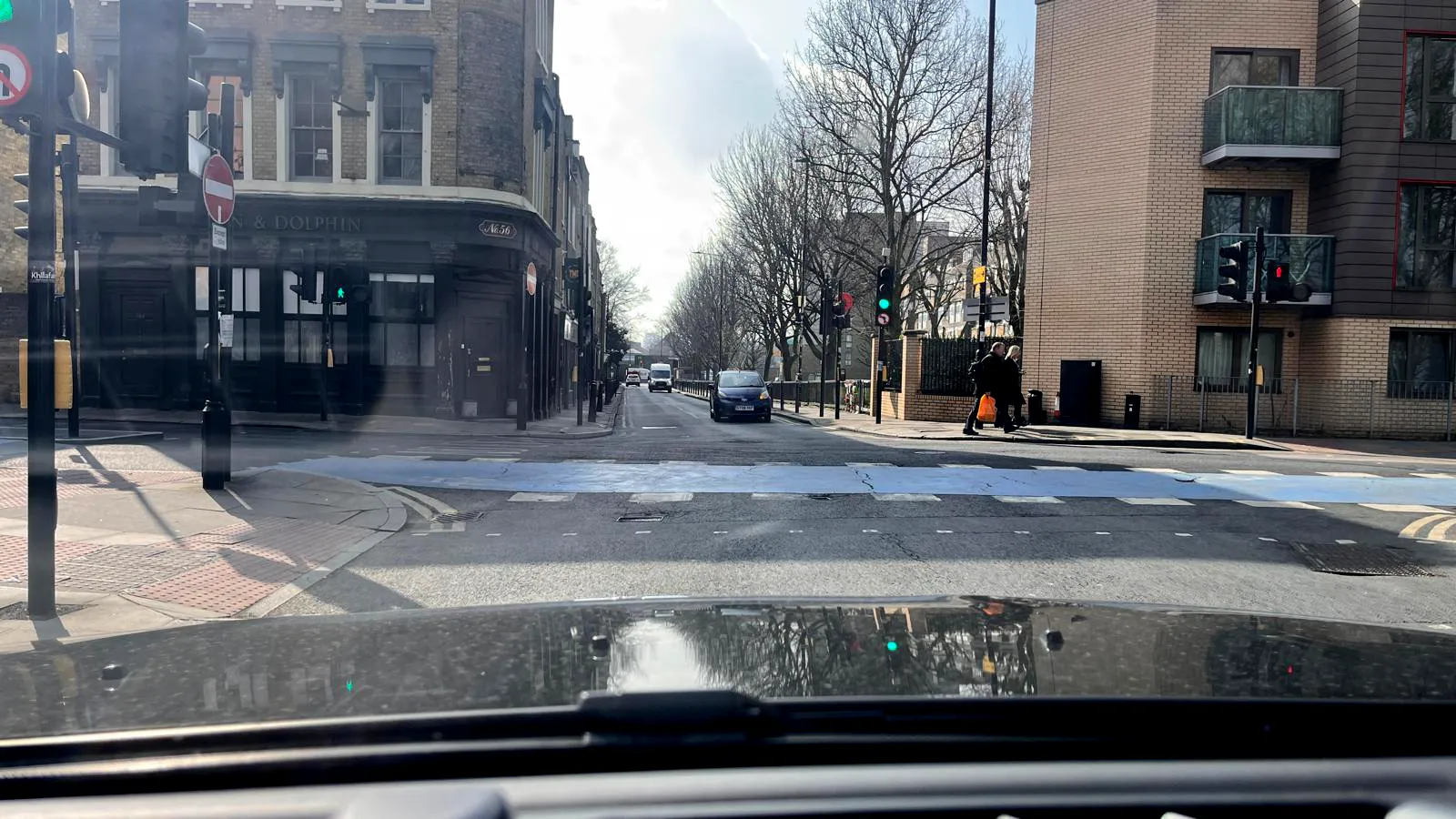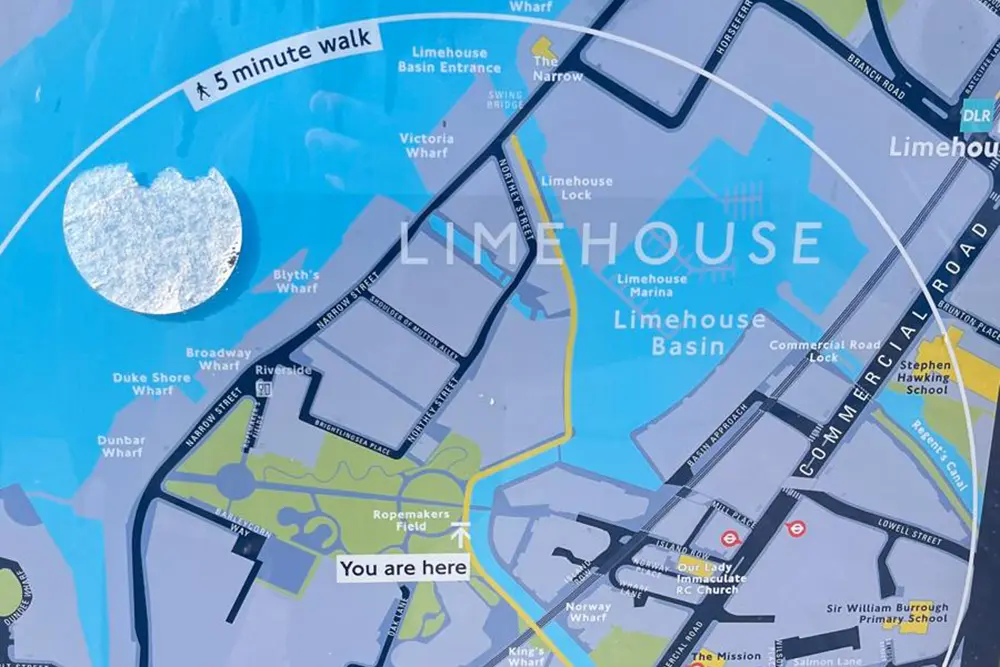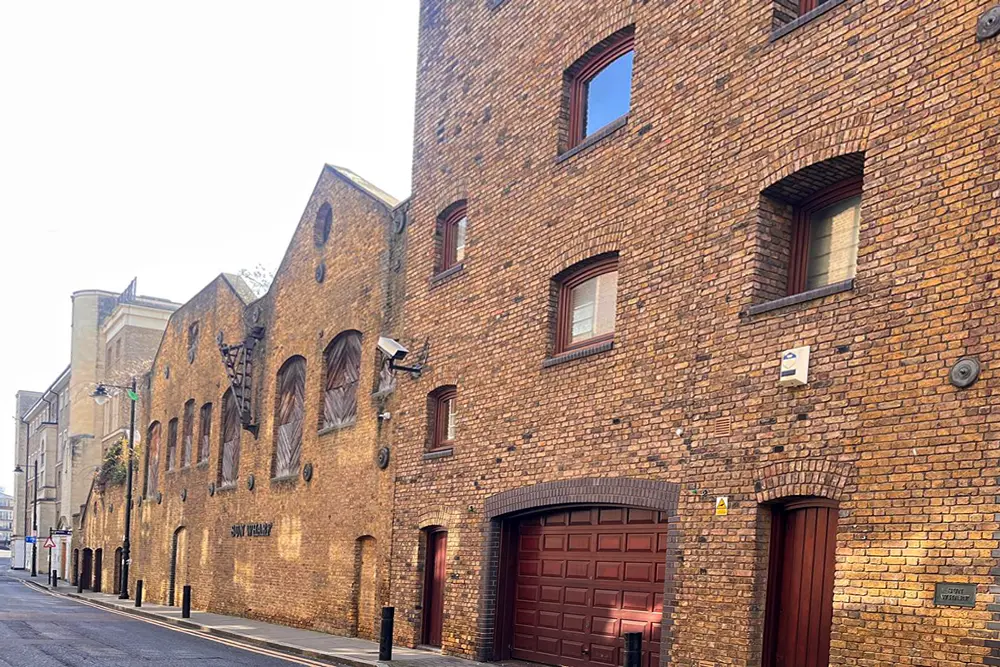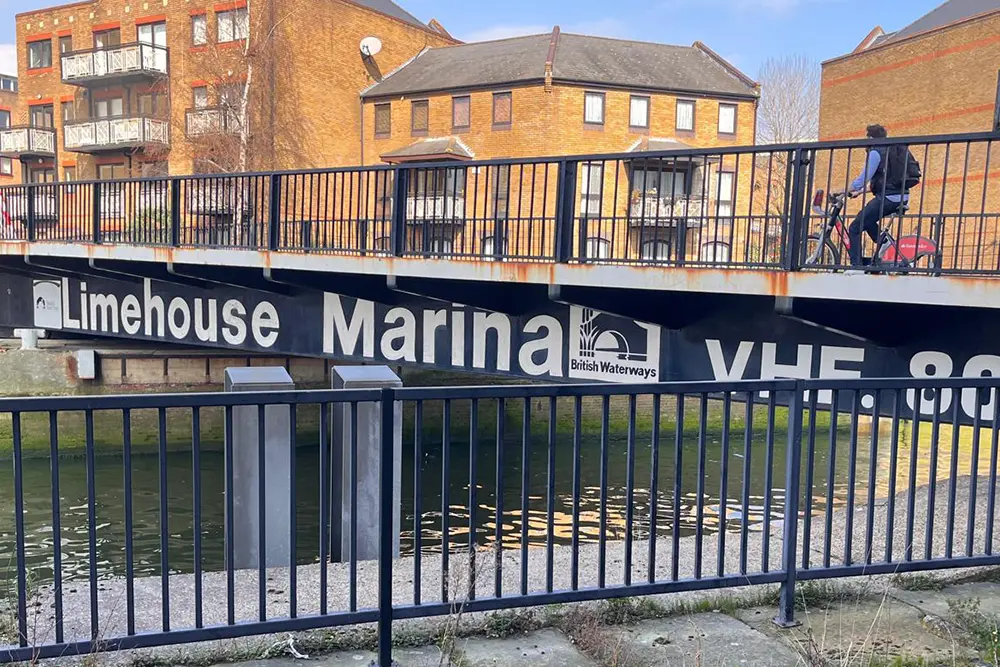

Limehouse, a historic district in East London, has a special place in my heart because I grew up exploring its narrow streets, bustling docks, and the River Thames. As a child, I spent my summer holidays canoeing and sailing these famous waters.
If you know what you’re looking for, Limehouse has the world’s history on display. A walk down a narrow street is like walking through colonial history from A to Z.
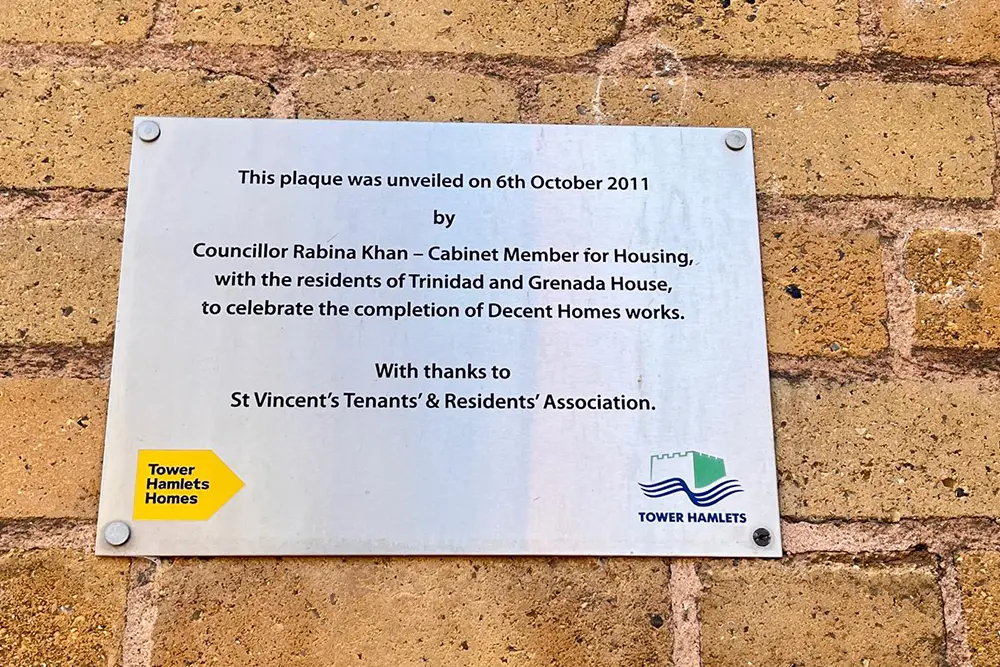
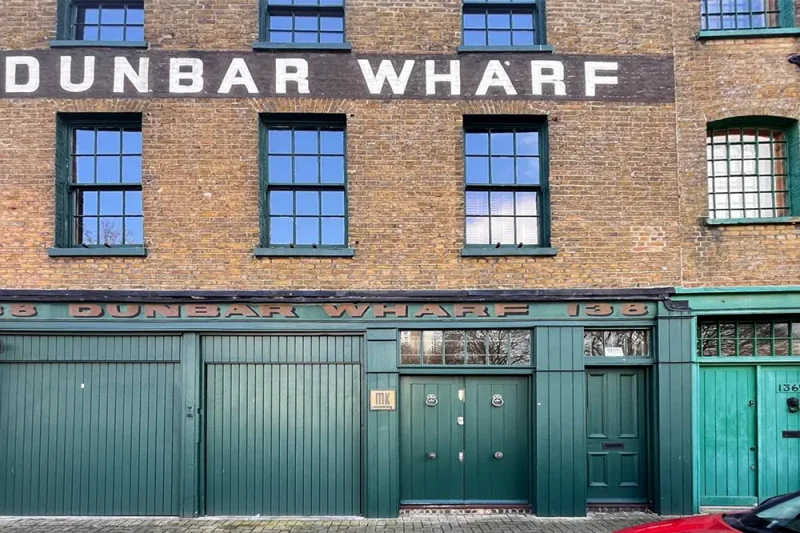
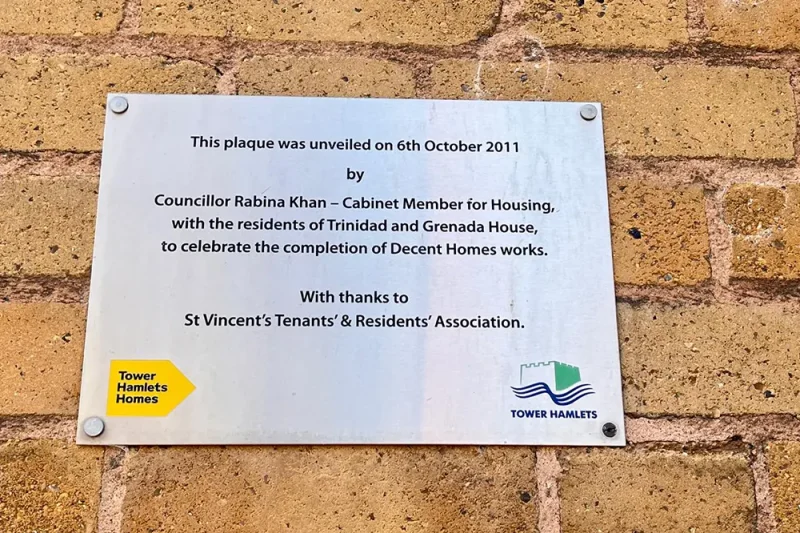
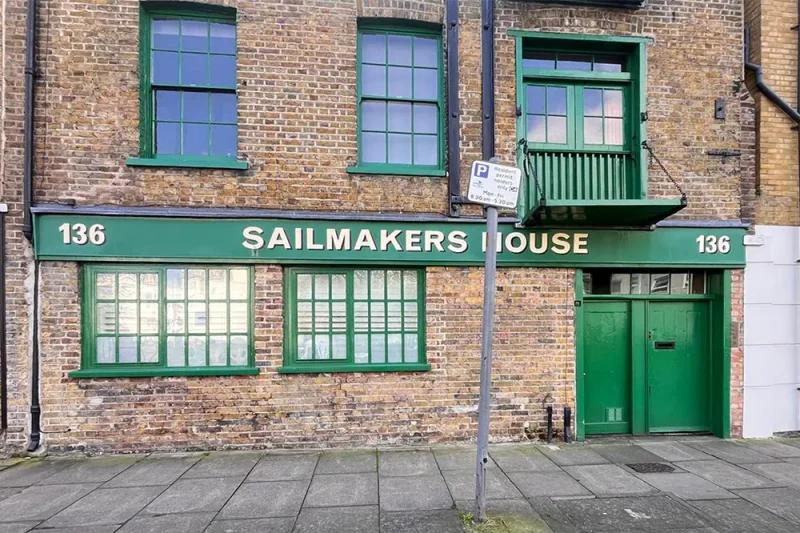
You can still see both the positive and negative aspects of the British Empire in Limehouse today. For instance, some of the social housing blocks in the immediate area still bear names that are reminiscent of the West India trade. These include Trinidad House, Jamaica House, and other similar names.
London's First Chinatown
Limehouse was the drop off point of the Chinese sailors who had made the return journey on the East India Company Ships with their hulls full of Tea, a valuable commodity. As the original sailors on the outward journey would die, to get the cargo back to England the shipping companies would hire local Chinese and Indian sailors.
This gave birth to a thriving dockside community in the late 1800s, which included a small but significant Chinese population.
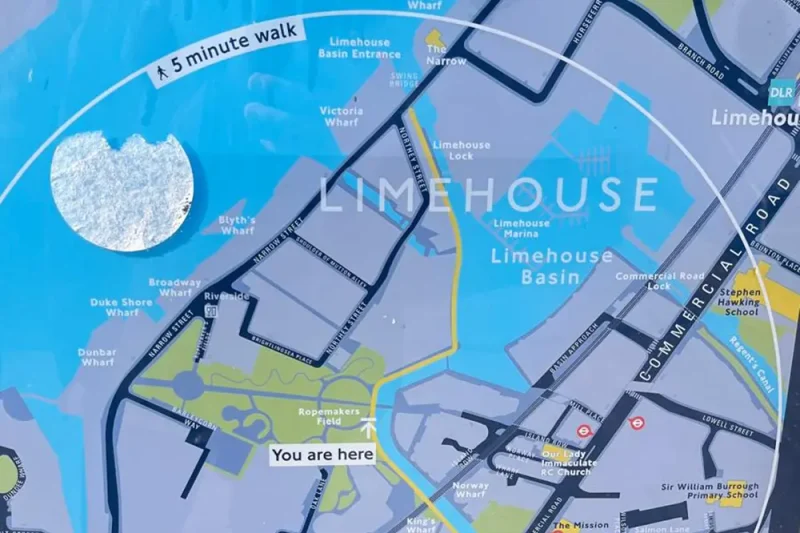
Narrow Street and Limehouse Causeway were central to this community, which became well-known for gambling and opium dens. Sax Rohmer’s Dr. Fu Manchu novels were said to be inspired by these communities.
The Chinese sailors who settled in Limehouse blended their own traditions with the local East End culture. However, in the mid-twentieth century, the docks and this early Chinatown both declined, leaving only traces of their existence behind.
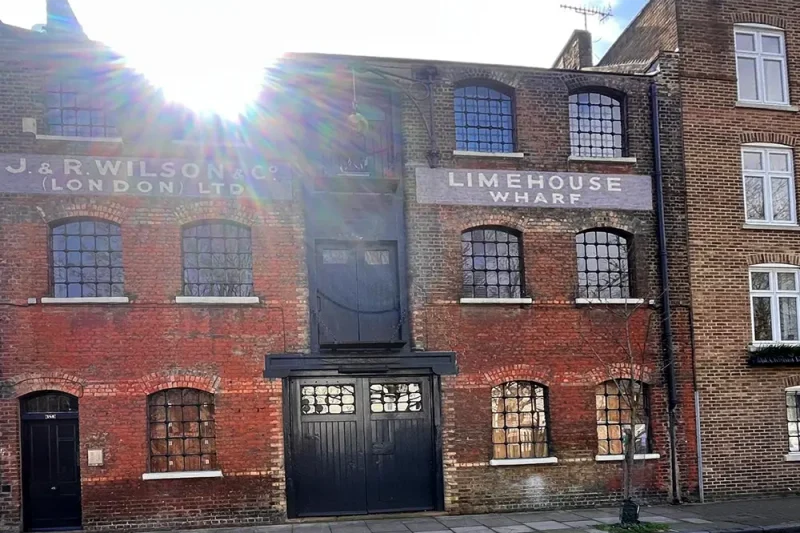
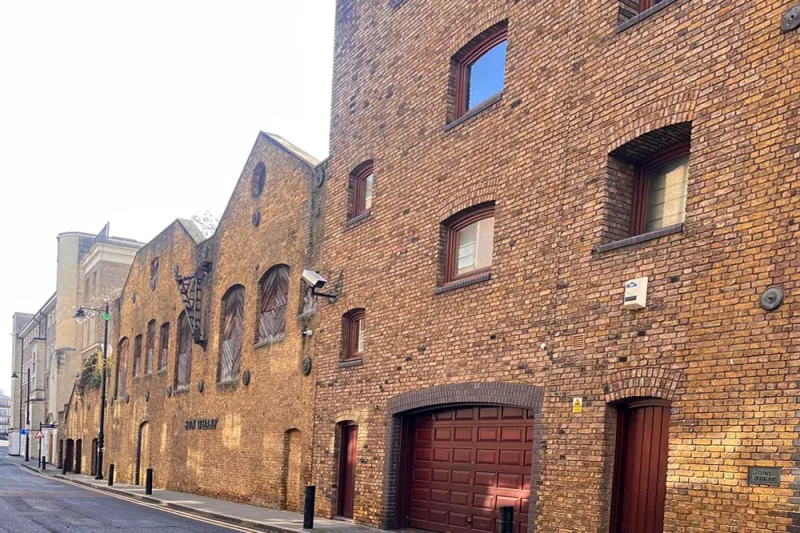
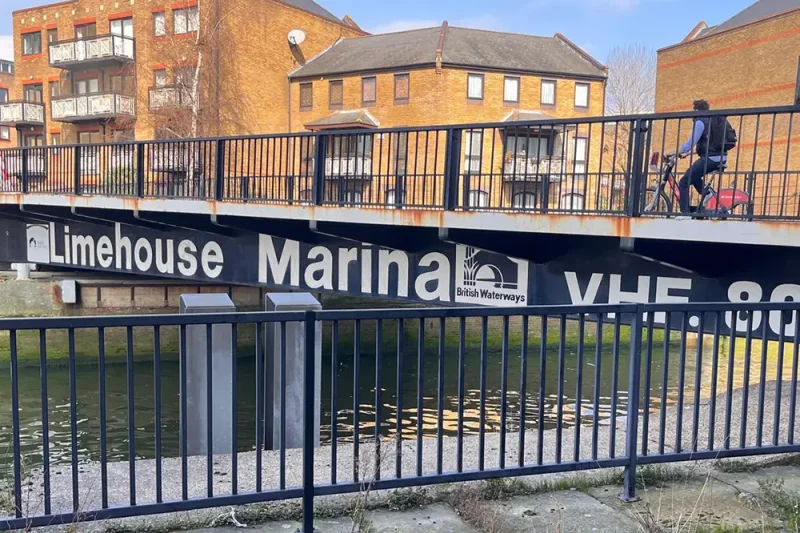
Limehouse and Australian Settlement
Limehouse also played a major role in Britain’s colonial past, particularly in the settlement of Australia. In 1788, the First Fleet set sail from England to establish a penal colony in New South Wales. Many of the ships that carried convicts and supplies were built or provisioned in Limehouse’s shipyards. The district’s strategic location along the Thames made it an essential hub for maritime activity during this era.
Limehouse’s connection to Australia is a reminder of how deeply intertwined this small East London district was with the history of the world. The ships built here not only carried convicts but also settlers who would go on to shape Australia’s future as a nation.
William Adams: A Limehouse Apprentice
As a boy growing up around Limehouse I was aware that some amazing people had lived, worked and travelled the world and came back to tell their stories.
One of the best stories has to be about William Adams, the young boy who began his journey as an apprentice to Nicholas Diggins, a shipbuilder in Limehouse. Born in 1564 in Gillingham, Kent, William moved to Limehouse at the age of 12 to learn shipbuilding and navigation.
By 1588, he had risen to captaincy during the Spanish Armada campaign. His adventurous spirit made him one of the most travelled men of his time. One such adventure took him on a Dutch expedition seeking new trade routes to Asia. This journey culminated in his arrival in Japan in 1600, where he became an advisor to Tokugawa Ieyasu, the Shogun who unified Japan.
As someone who grew up in the middle of Limehouse, I find Adams’ story truly inspiring. His trip to Japan was the one that interested me the most and I was lucky enough to visit Japan in November 2024.
The Samurai and Shogun fascinate me and with the Limehouse connection I went to the home of the Tokugawa Clan in Edo (present-day Tokyo).
Limehouse today
As a lover of history, walking along the River Thames today, I can still sense the echoes of his time—the shipyards bustling with activity and young apprentices dreaming of distant horizons.
Limehouse is more than just a district; it is a living museum of stories that connect East London to the wider world. Whether through its role as London’s first Chinatown, its contributions to Australia’s colonial history, or the incredible life of William Adams, Limehouse has left an indelible mark.
For me, growing up here was like living amidst history itself—turning every street corner there were tales of adventure and transformation to be found.