As a kid, I grew up on East India Dock Road, where I could observe the world’s trade going by, thus coffee was one of the commodities found all around the docks.
My father, who spent many years as a cleaner in the Lloyds insurance building, told me that the insurance business effectively started out as a coffee shop on Tower Street before relocating to Lombard Street.
Along with merchants, many sailors seeking information would visit Lloyds Coffee House to see if the ships had returned to the docks. The first daily paper to record all ships that had arrived in London was Lloyd’s list. In the end, Lloyds started charging for entry, which marked the start of the company as it exists today.
In the period prior to the popularity of coffee, pubs were the primary venues for conducting business due to the unavailability of safe drinking water. Although beer was not particularly potent, most individuals were mildly intoxicated. Therefore, coffee emerged as a superior alternative, providing an enhanced alertness!
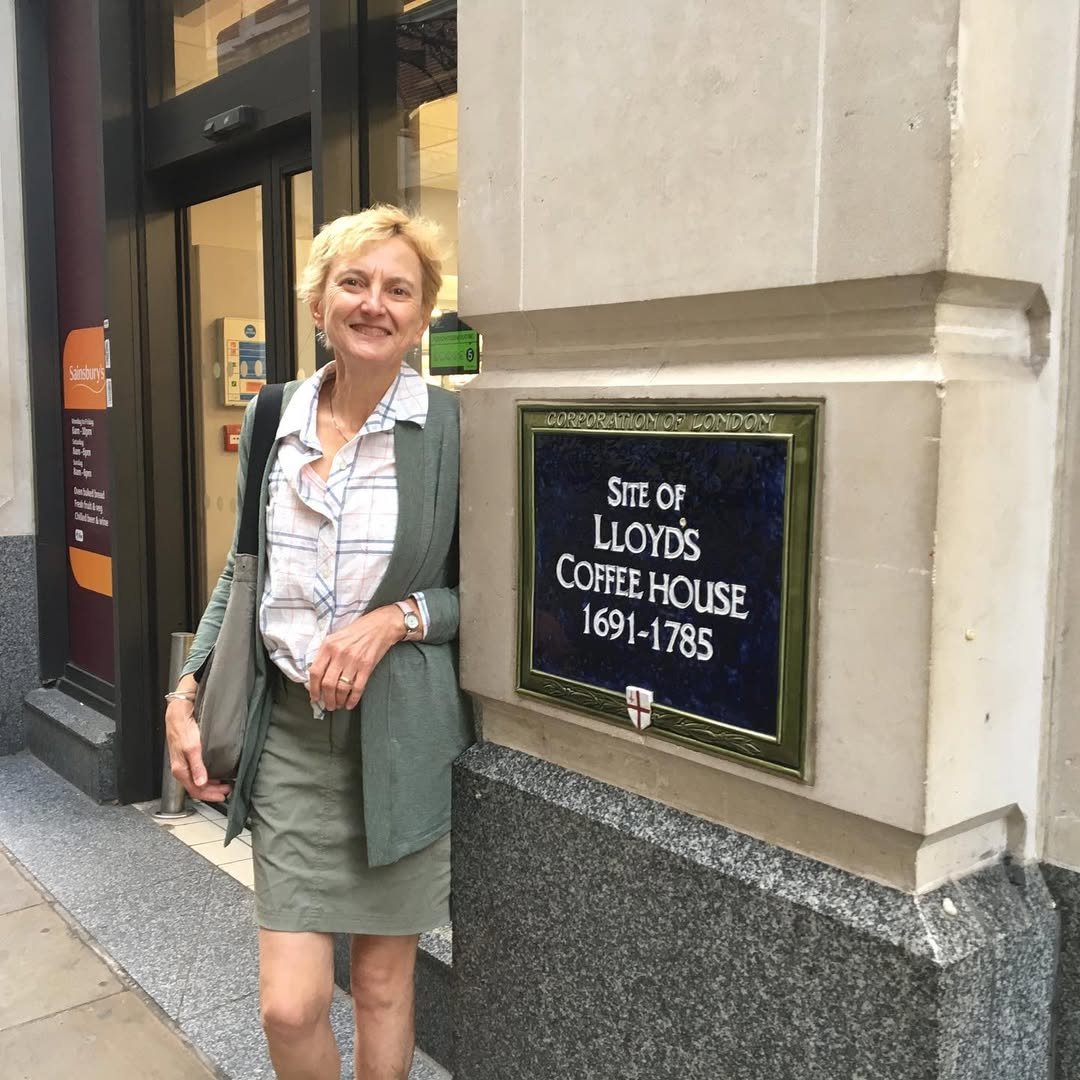
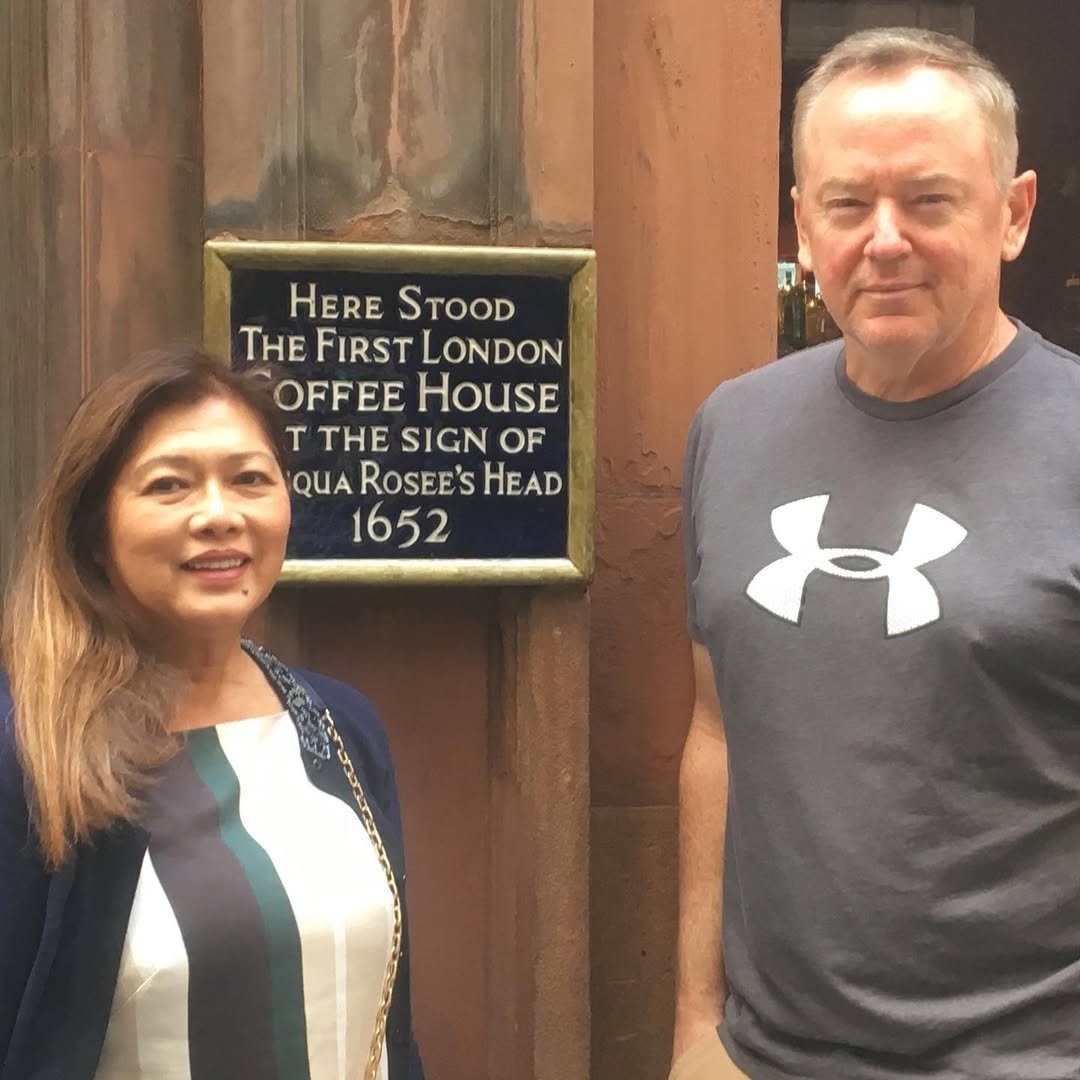
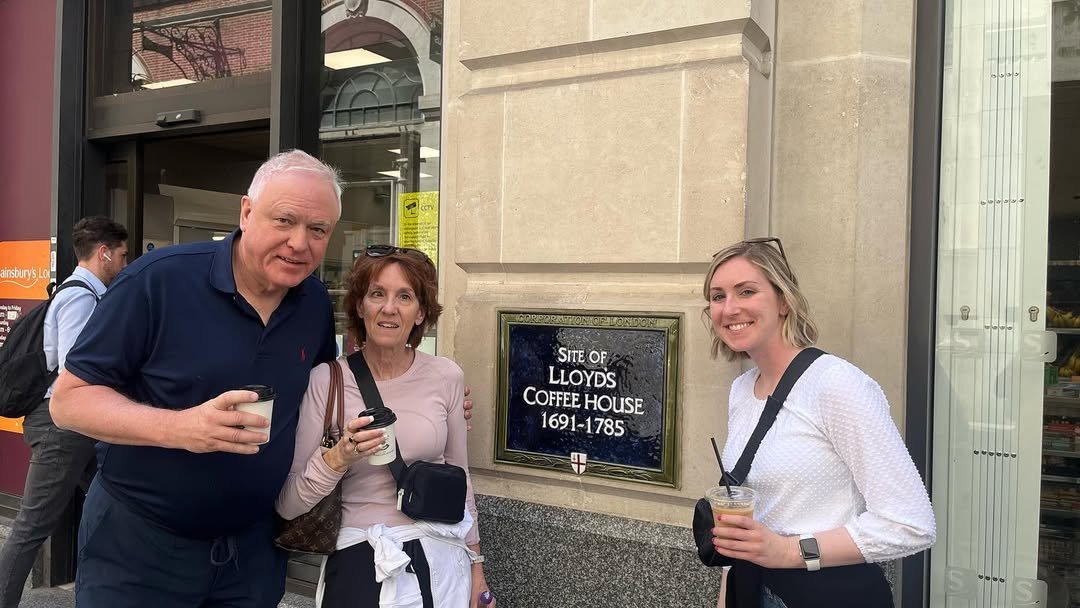
England's First Coffee House
Daniel Edwards brought coffee to London after developing a taste for it while working as a merchant for the Levant Company in Smyrna (now Izmir, Turkey).
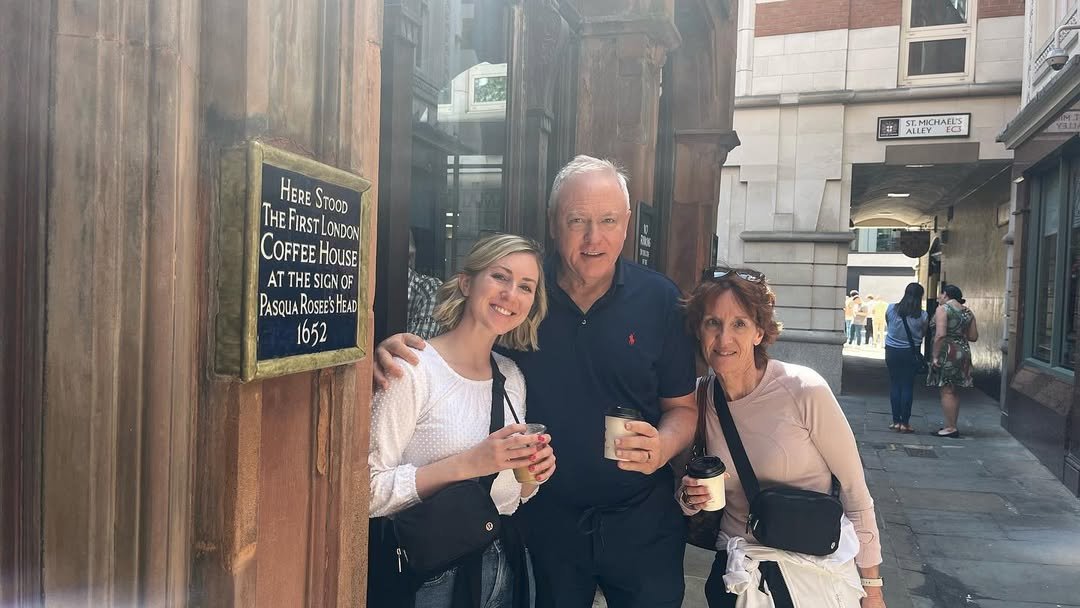
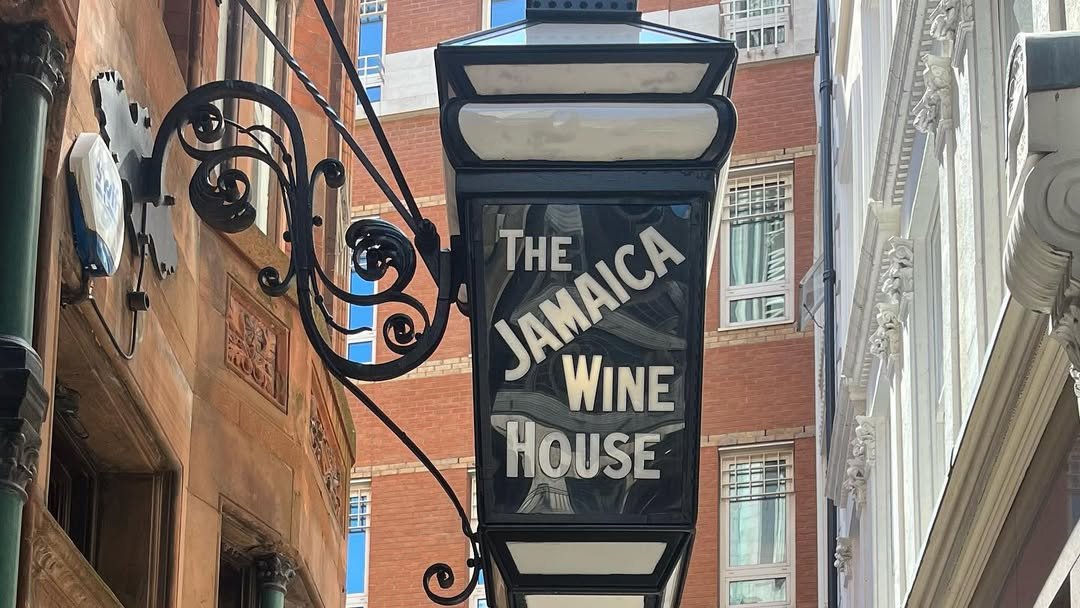
After some initial skepticism due to the unusual caffeine boost feeling, the number of people visiting Edwards’ house in search of coffee increased dramatically. In 1652, he assisted his servant Pasqua Rosee, a “Turk” of various origins, in opening the first coffee house in St. Michael’s Alley in the city of London—later to become the Jamaica Wine House.
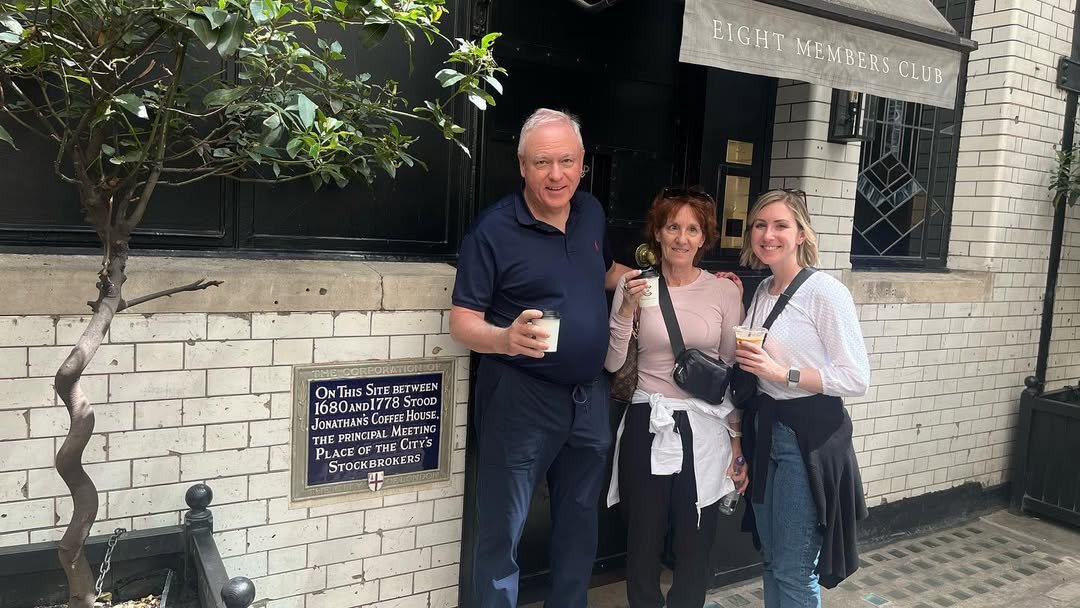
This coffee house in London, was an instant success due to its respectability as an alternative to alcohol and its ability to wake people up. Along the alleyways in the city of London was another institution that started out life in a coffee house. Between 1680 and 1778, The Jonathan Miles coffee house was the principal meeting place for the City’s stockbrokers and is where the London Stock Exchange got going, and not far away was Garraways coffee house, renowned for hosting the first fur sale for the Hudson Bay Company, Canada’s oldest company, founded in 1670.
It seemed like the whole of the city was running on a caffeine boost! By the end of the century, hundreds of coffee houses had sprung up across the city. The mild, mind-sharpening buzz of coffee made it a favourite drink for intellectuals, making them hotbeds of debate and discussion.
A deep connection with the history of the world
One of the more interesting coffee houses can be found at Devereux Court on the Strand. Originally opened in 1665 at Wapping Old Stairs by George Constantine, a Greek former mariner, the Grecian moved to the Strand in 1677. Members of the Royal Society, such as Sir Isaac Newton, Sir Hans Sloane, Edmund Halley, James Douglas, and the statesman and poet Joseph Addison, visited it in the early eighteenth century.
As you can see, coffee is not just a beverage; rather, it holds a deep connection with the history of the world.
So when you are in London and you are about to have a coffee please think about all that have gone before you, the discussions that have been made over a coffee and how the drink did change the world.